
What the cornea does
Light enters the eye through the cornea first. Because it is curved, it bends that light and provides most of the eye’s focusing power. It must stay perfectly clear and smooth to give sharp vision.
Diseases of the cornea and the eye’s surface (the “external” eye) are treated by cornea specialists.

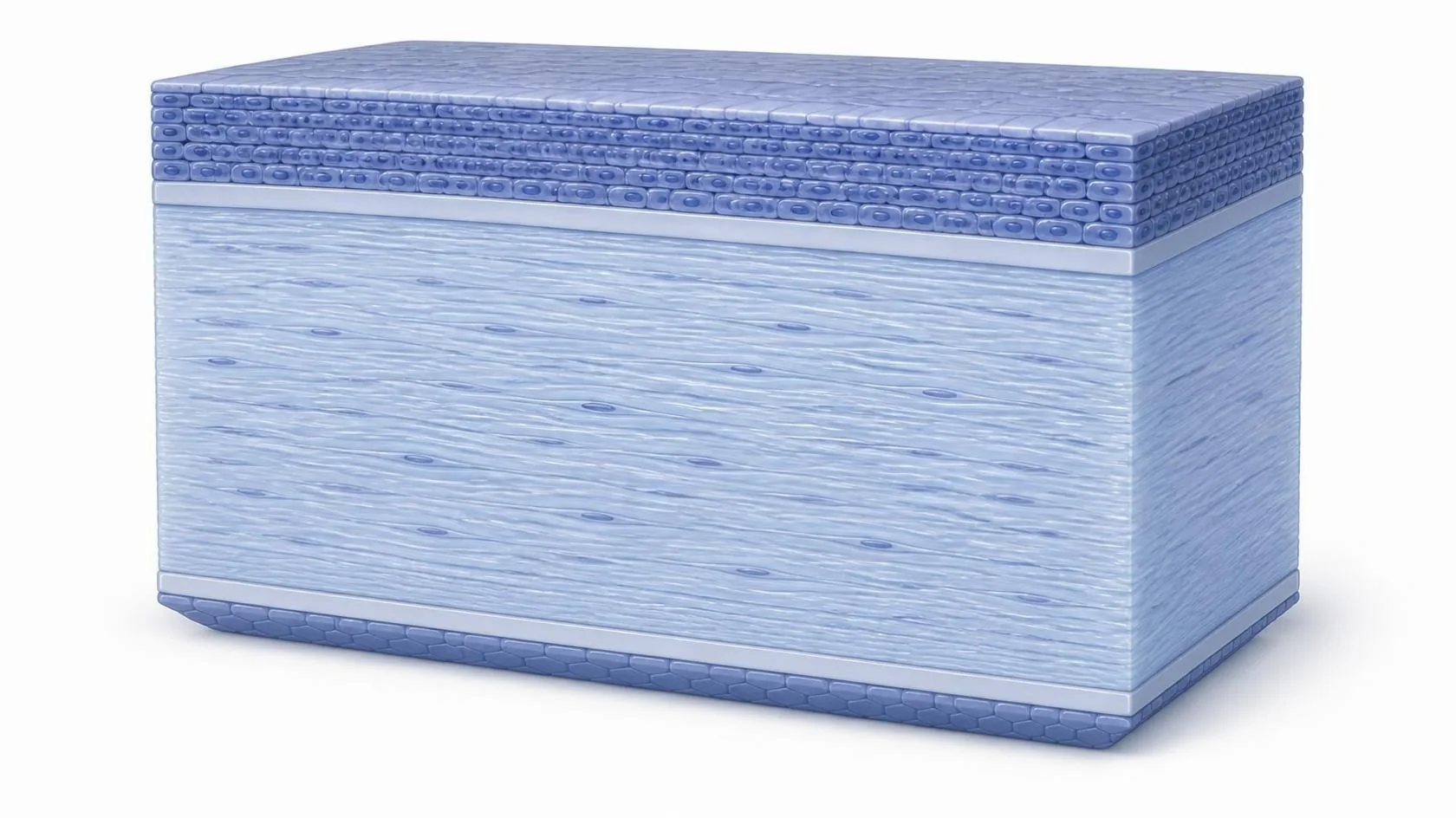
Five thin layers
The cornea is only about half a millimeter thick, yet it has five layers. The outer two layers protect the eye, the middle layer gives it strength and clarity, and the ultra-thin inner two layers hold cells that constantly pump fluid out so the cornea stays clear.
Modern cornea surgeons can treat or transplant only the layers that are sick, without disturbing the rest of your cornea.

 Healthy vision With corneal disease
Common corneal conditions
Dry eye & ocular surface disease
An unstable tear film or irritated surface can cause burning, grittiness, and fluctuating vision.
Keratoconus
The cornea gradually thins and bulges into a cone shape, distorting vision. It often begins in the teens or twenties.
Keratoconus & crosslinkingFuchs’ dystrophy
The inner pumping cells slowly fail, so the cornea swells. Vision is often worst in the morning.
Learn about Fuchs’Scars & infections
Injuries and infections, such as corneal ulcers, can leave the cornea cloudy or irregular.
Corneal ulcers & infectionsGrowths on the surface
Growths such as a pterygium or Salzmann’s nodules can spread onto the cornea and affect comfort and vision.
Pterygium & surface growthsHealing problems
Some eyes struggle to heal the surface layer, as in neurotrophic keratitis, which leaves the cornea vulnerable.
Neurotrophic keratitisHow it can be treated
- 1
Medical care
Lubricating and prescription drops, ointments, and treatment of the eyelids and tear film.
- 2
Specialty contact lenses
Custom lenses can smooth an irregular cornea, such as in keratoconus, and sharpen vision.
- 3
Corneal crosslinking
Special drops and ultraviolet light strengthen the cornea to help slow or stop keratoconus from progressing.
- 4
Corneal transplant
Replacing damaged tissue with healthy donor tissue, reserved for cases without less invasive options. Today, often only the affected layers are replaced (DMEK, DSAEK, or DALK) instead of the full thickness (PK).
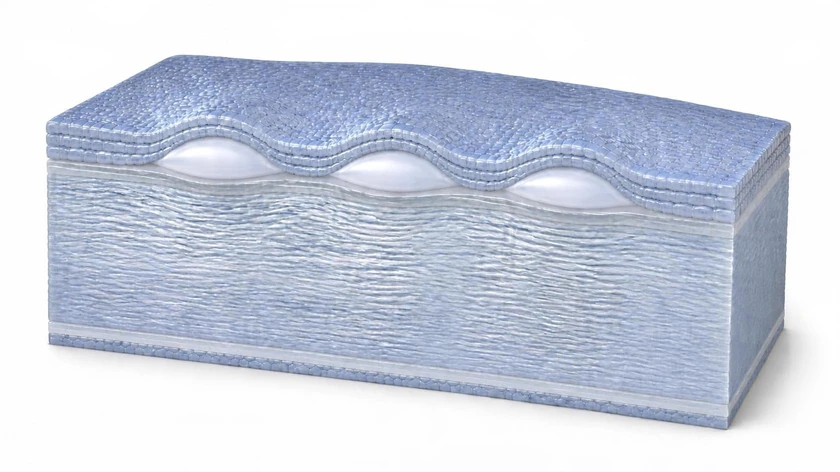 Also offered Superficial keratectomy (SK) Smoothing the front surface of the cornea for Salzmann’s nodules, ABMD, and band keratopathy. Learn about SK
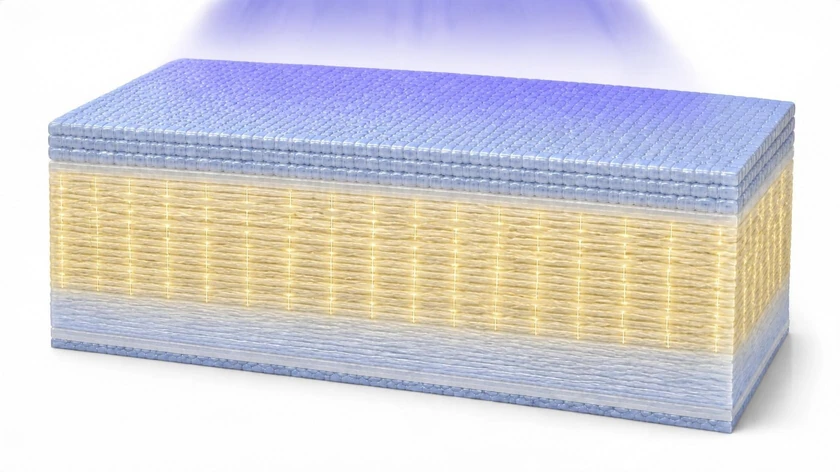 Also offered Keratoconus & crosslinking Strengthening a thinning, cone-shaped cornea to help stop keratoconus from progressing. Learn about crosslinking Also offered Cornea transplants, all types DMEK, DSAEK, DALK, full-thickness PK, and artificial corneas (keratoprosthesis). Learn about transplants
See a doctor promptly if you notice
- A red, painful eye, especially if you wear contact lenses
- Sudden blurred vision or sensitivity to light
- A white or gray spot on the colored part of the eye